

 UK
 AU
 US

Now the dust has settled on the Autumn Budget, we take a closer look at the Chancellor’s headline changes and what the updates could mean for energy bills, rooftop solar and the millions of people who live in flats.
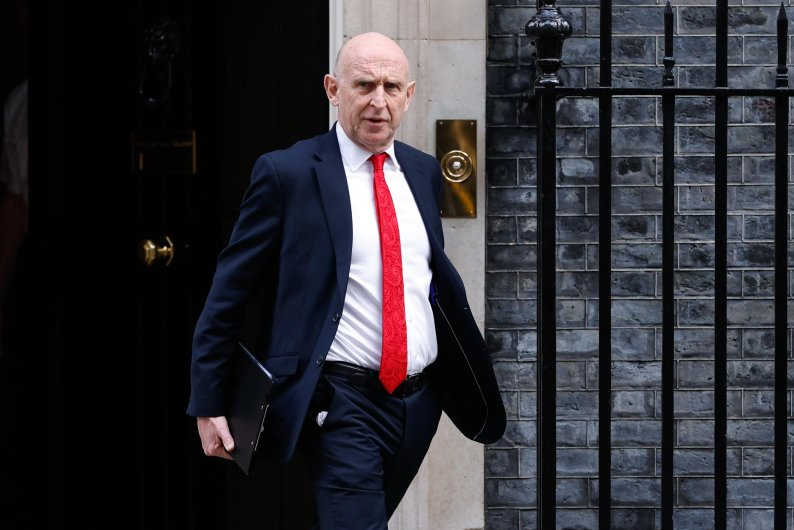
John Healey’s “Breathing space for today, fresh hope for the future” Budget focused heavily on household bills, offering a £100 Household Energy Payment, a longer VAT cut on electricity and the new Warm Homes Loan Scheme for solar panels and batteries.
That support will provide welcome relief for millions who need it this winter, but most of the support measures are temporary.
With some forecasts predicting typical household energy bills will rise to above £2,000 a year from January, we look closely at the key announcements from the Budget and explore how shared rooftop solar, communal batteries and grid flexibility can bring bills down for good.
Key takeaways
- The new Warm Homes Loan Scheme offers zero and low-interest loans of up to £15,000 for solar panels and a further £15,000 for battery storage through participating lenders.
- Households in council tax bands A to D in England will receive a one-off £100 Household Energy Payment from January 2027. The Welsh Government has pledged to match it.
- The 0% VAT rate cut on domestic electricity bills has been extended through to 30 June 2027.
- £1 billion has been cut from Warm Homes Plan capital grants, though most funding for low-income households and social housing is protected.
- VAT on solar panels and batteries returns to 5% from 1 April 2027.
What it means for flats: With FlatSave, residents in flats can cut their electricity bills by up to 60%, and E.ON Next customers who opt in can earn up to £160 a year from their block’s community battery.
What is the Warm Homes Loan Scheme?
Announced just before the Budget, the Warm Homes Loan Scheme is a government-backed initiative offering zero and low-interest loans for clean energy technology through participating lenders and is open to households across the UK.
Support is available up to £15,000 for solar panels and a separate £15,000 for battery storage, subject to affordability and eligibility checks. Lenders are offering interest rates up to five percentage points below standard loans, some at 0%, with repayment terms of up to 30 years in some cases. Installers must be certified under the Microgeneration Certification Scheme (MCS).
Upfront cost is one of the biggest barriers to households installing solar and battery storage, so it is the right place for the scheme to start.
Can the Warm Homes Loan Scheme be used for shared solar on flats?
Not as it stands. The scheme is consumer finance for households: applicants must own the home they’re applying for, and lenders carry out affordability and credit checks. The guidance doesn’t cover flats, leaseholders or a solar system shared across a block.
For housing associations and councils, Warm Homes funding remains the main route to shared solar. We’ve helped housing providers fund SolShare projects through past waves of the Warm Homes: Social Housing Fund, and our guide to past funding waves explains how to go about it.
For owner-occupiers and private landlords in blocks of flats, we’d welcome clarity from the Department for Energy Security and Net Zero (DESNZ) on whether the loans could fund a shared rooftop system, which would usually also need the freeholder’s agreement.
What does the Budget mean for solar on social housing?
Social housing has also received additional money for solar and battery projects, even as the wider Warm Homes Plan budget is cut by £1 billion.
Solar Energy UK highlighted a £100 million top-up for solar and battery installations, a particularly welcome move, because it reaches residents who often have little say over improvements to their homes. A further £335 million for Warm Homes schemes next year adds to this, though details on eligibility and delivery are still to come.
Where the £1 billion cut to the Warm Homes Plan has fallen
Although these moves are positive, the Budget removed £1 billion from the Warm Homes Plan, as the government reprioritises its budget towards the Defence Investment Plan. The Budget says the majority of Warm Homes Plan funding for low-income households and social housing, delivered by mayors and councils, is protected.
The same section in the Budget holds the Boiler Upgrade Scheme at £400 million in 2027-28, rising broadly in line with inflation after that, and reduces Great British Energy’s budget by £200 million to £8.3 billion over the spending review period. DESNZ will also redirect some of its loan funding, including from the Warm Homes Fund, towards the £4.7 billion Your First Home scheme.
How shared solar is already cutting bills in social housing
Shared rooftop solar for flats means one solar system on the block’s roof, split between the flats through each flat’s own meter. It’s how solar panels for flats can work, even if the homes share the same roof.
SolShare connects one rooftop solar system and community battery to multiple flats in a block, sharing the energy fairly between them.
Social housing providers across the UK are already using it. In Wales, the Welsh Government’s Optimised Retrofit Programme has funded SolShare at sites such as Willowbrook, a later living scheme for older residents in Newport whilst the Vale of Glamorgan Council has paired SolShare and a community battery for 35 flats in Barry.
In England, we launched FlatSave with E.ON Next this autumn, starting at Peabody’s Harper Court in Stevenage, where six flats share 15 kW of rooftop solar and a community battery.
How much impact will the £100 Household Energy Payment and VAT cut have?
The £100 Household Energy Payment is a one-off payment to households in council tax bands A to D in England, made from January 2027. The Government estimates it will reach 83% of fuel-stressed households in England, at a total cost of £2.6 billion. The Welsh Government has pledged to match it for households in the same bands.
Meanwhile, the 0% VAT rate on domestic electricity, which began on 1 October 2026, has been extended until 30 June 2027. The Treasury expects the extension to take around £50 off the annual price cap from April 2027. Gas bills still carry 5% VAT.
The Budget also asks Ofgem to abolish gas standing charges, moving the cost onto the unit price of gas, and scraps a planned levy on gas bills to fund hydrogen.
Driving down bills for good through shared solar + batteries
The £100 payment and the VAT cut will ease the pressure this winter. However, lasting savings come from generating, storing and sharing power on site, and the Warm Homes Loan Scheme could help many more households do that if it works for shared systems.
While the short-term support announced in the Budget is welcome, solar power and battery storage provide lasting relief. Metered data from Odet Court in Cardiff, where 24 flats share two rooftop solar systems and two community batteries, shows savings of up to £490 a year per flat. That is almost five times the value of the £100 payment.
How can shared solar, batteries and grid flexibility cut bills for good?
They reduce how much electricity a block of flats buys from the grid and earn money from the energy stored in its battery, so residents keep saving every year.
Shared rooftop solar: SolShare shares the output of one rooftop system between flats, so residents use clean power generated on their own building during the day, without switching supplier.
Community battery: A community battery is one battery shared by every flat in a block. SolShare stores daytime solar in it and shares it in the evening, with nothing installed inside residents’ homes.
Grid flexibility: And now with FlatSave, our partnership with E.ON Next, the battery also charges when electricity is cheap and discharges at peak times to help balance the local network. Residents who opt in are paid for it: up to £160 a year for E.ON Next customers and up to £80 a year with other suppliers.
We estimate residents can cut their electricity bills by up to 60% with integrated shared solar and batteries, depending on the building, system size, tariff and household energy use.
What does Budget 2026 mean for solar on flats?
The Budget gives households short-term help with bills and makes solar and batteries cheaper to finance.
|
Measure |
What’s changing |
Who it applies to |
Estimated household saving |
When |
|
£100 Household Energy Payment |
One-off payment to households in council tax bands A to D in England |
England (Wales has pledged to match it) |
£100 |
From January 2027 |
|
VAT cut on electricity |
0% VAT on domestic electricity extended by three months |
UK-wide |
Around £50 off the annual price cap from April 2027 (Treasury estimate) |
1 October 2026 to 30 June 2027 |
|
Gas standing charges |
Ofgem asked to abolish them, with the cost moved onto unit rates |
Great Britain |
Depends on household gas use |
Expected by the end of 2027 |
|
Warm Homes Loan Scheme |
Zero- and low-interest loans of up to £15,000 for solar and £15,000 for batteries |
Homeowners across the UK |
Interest up to five percentage points below standard loans |
Available now |
|
VAT on solar panels and batteries |
Temporary 0% rate ends and 5% VAT applies |
UK-wide |
Higher upfront installation costs |
From 1 April 2027 |
|
SolShare with FlatSave |
Shared rooftop solar, a community battery and grid flexibility |
FlatSave blocks (up to £160 for E.ON Next customers, £80 with other suppliers) |
Up to 60% off electricity bills, plus up to £160 a year in flexibility payments |
Available now |
Jack Taylor, General Manager Europe at Allume Energy, said: “The Chancellor has gone big on bills in this Budget. The £100 household energy payment and the extended VAT cut will take real pressure off households this winter.
“But one-off payments and a VAT cut only provide temporary relief. They will help people through the worst of the winter months, but they won’t fundamentally change what households pay in the long term. The best solution will be reducing the energy our homes need to buy from the grid in the first place through decentralised, clean self-generation. Flats have so far been largely locked out of rooftop solar, leaving almost £1.7bn a year in potential bill savings untapped across the UK. Shared rooftop solar is a tangible way to unlock those savings and drive down bills for good.
“The new Warm Homes Loan Scheme is a welcome step towards those permanent savings, but we’d welcome more clarity on how it can support shared solar on flats. Confirming that landlords, housing associations and residents can use these loans for shared rooftop systems would bring long-term savings within reach of millions more households and leave them less exposed to future price shocks.”
|
Are you a landlord or social housing provider planning solar for your flats? Talk to the Allume UK team about your next project. |