FlatSave: lower bills and flexibility payments for every flat in your block

FlatSave brings rooftop solar, a communal battery and grid flexibility to social housing flats. Residents can cut their electricity bills by roughly 30–60% and earn up to £160 a year, and no one has to switch supplier.

Powered by Allume’s SolShare technology.

Book a FlatSave assessment

Free · 30 minutes with a UK specialist


What is FlatSave?

FlatSave is a shared solar, communal battery and grid flexibility solution for blocks of social housing flats, launched by E.ON Next and Allume.

Allume’s SolShare technology shares one rooftop solar and battery system fairly between flats, while E.ON Next uses the battery to support the grid and pays residents who opt in.

It’s built for social housing. Almost half of social renters live in flats, yet only around 3% of UK flats have rooftop solar. Conventional systems were designed for one roof and one meter, so they couldn’t share power fairly between homes.


Delivered by: 

E.ON Next and Allume Energy UK

Technology: 

SolShare, a communal battery and E.ON Next grid flexibility

Launched:

7th September 2026

First building:

Harper Court, Stevenage (Peabody)

Who it’s for: 

Housing associations, councils and social landlords with blocks of 6 or more flats


How does FlatSave work?

1) One solar array, one communal battery
A single rooftop solar system and a communal battery serve the whole block.

2) SolShare shares the power fairly
During the day, SolShare sends solar and stored energy straight to the meters of the flats using power right now. Everyone gets their fair share.

3) The battery tops up overnight
It charges from the grid when electricity is cheapest.

4) Stored power at peak times
When demand and prices rise, the battery powers the flats or sends energy back to the grid to ease pressure on the network.

5) Residents get paid
Residents who opt in receive a yearly flexibility payment from E.ON Next.
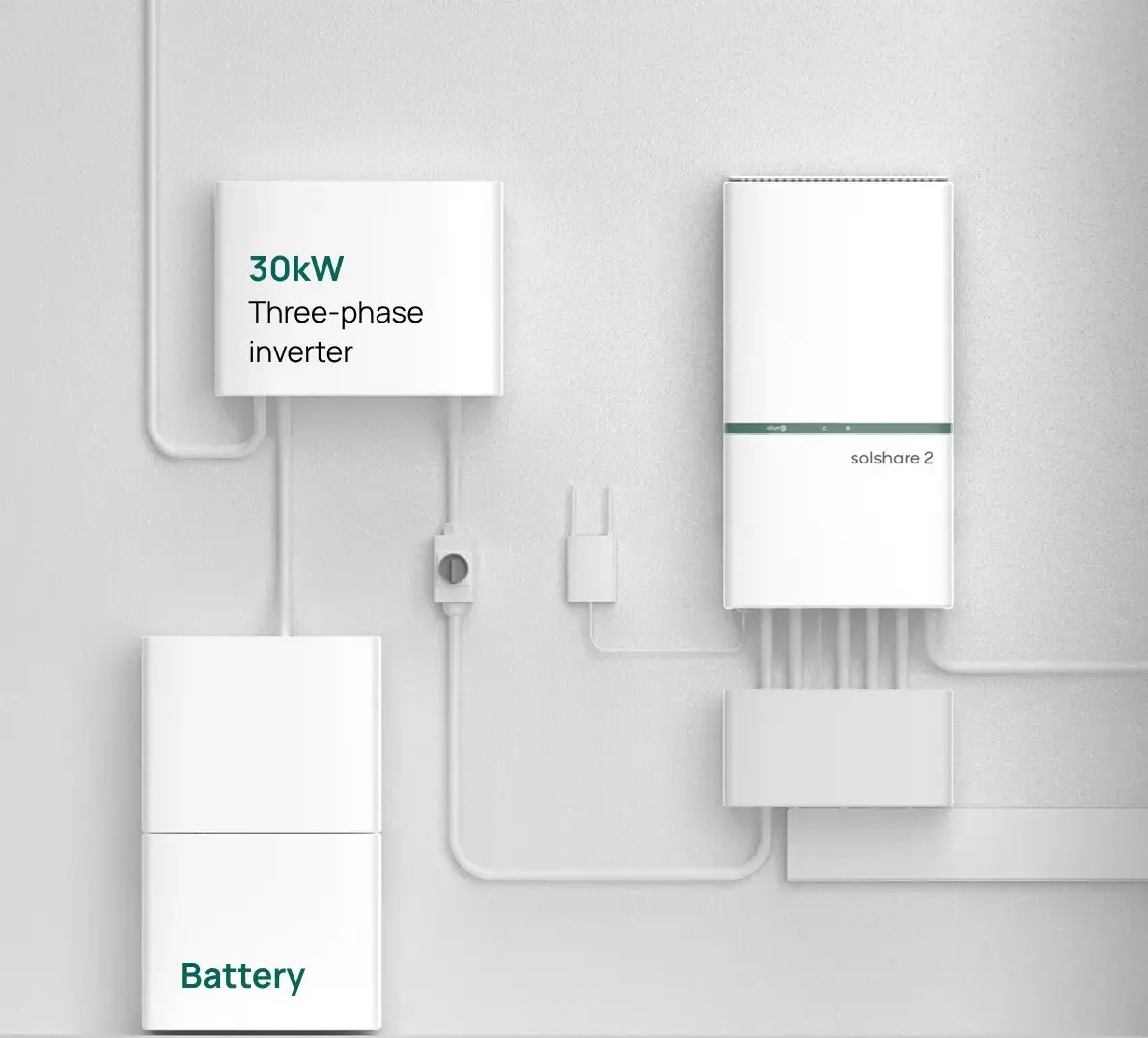
SolShare 2 and community battery

FlatSave benefits for residents and housing providers


person-bookmark-guide

For residents

Every flat gets solar and battery savings from day one. Residents who opt in also get a yearly flexibility payment:

Resident’s supplier

Flexibility payment

 E.ON Next 

Up to £160 a year

Any other supplier

Up to £80 a year


office-building-filled

For housing providers

  • Better EPC ratings - 5–20 SAP points per flat, helping blocks reach EPC C by 2030.

  • Battery storage for social housing -  usually means one battery per flat. FlatSave uses one communal battery for the whole block.

  • Funding-ready - SolShare is accepted under all major decarbonisation grants, including the Warm Homes Plan.

  • Minimal disruption - work centres on the roof and the meter area, not inside homes.

  • Clear reporting - the SolCentre dashboard shows energy and savings data from site to flat level.

The UK’s first FlatSave building

Housing provider
Flats
Solar
Battery

Peabody

6

15kW

18kWh

“I was having to choose between putting the heating on versus using the oven. The solar and battery system means I don’t have to choose between cooking and staying warm.”

Lorraine
Peabody' Harper Court resident
Trusted by leading forward thinkers
pobl
hillcrest 1
eon
wheatley
lewisham

Built on SolShare, trusted by social landlords

We developed SolShare, the world-first technology behind FlatSave, to unlock rooftop solar & batteries for people living in flats. SolShare is a smart hardware that connects one rooftop solar system to every flat in a block and shares the energy fairly, so everyone gets their fair share.

+
12000

Flats already connected

22
GWh

Clean electricity generated

60
%

Reduction in electricity bills

“One of our residents reported that her energy bill was £100 less than this same time last year. That’s a serious result!!!”
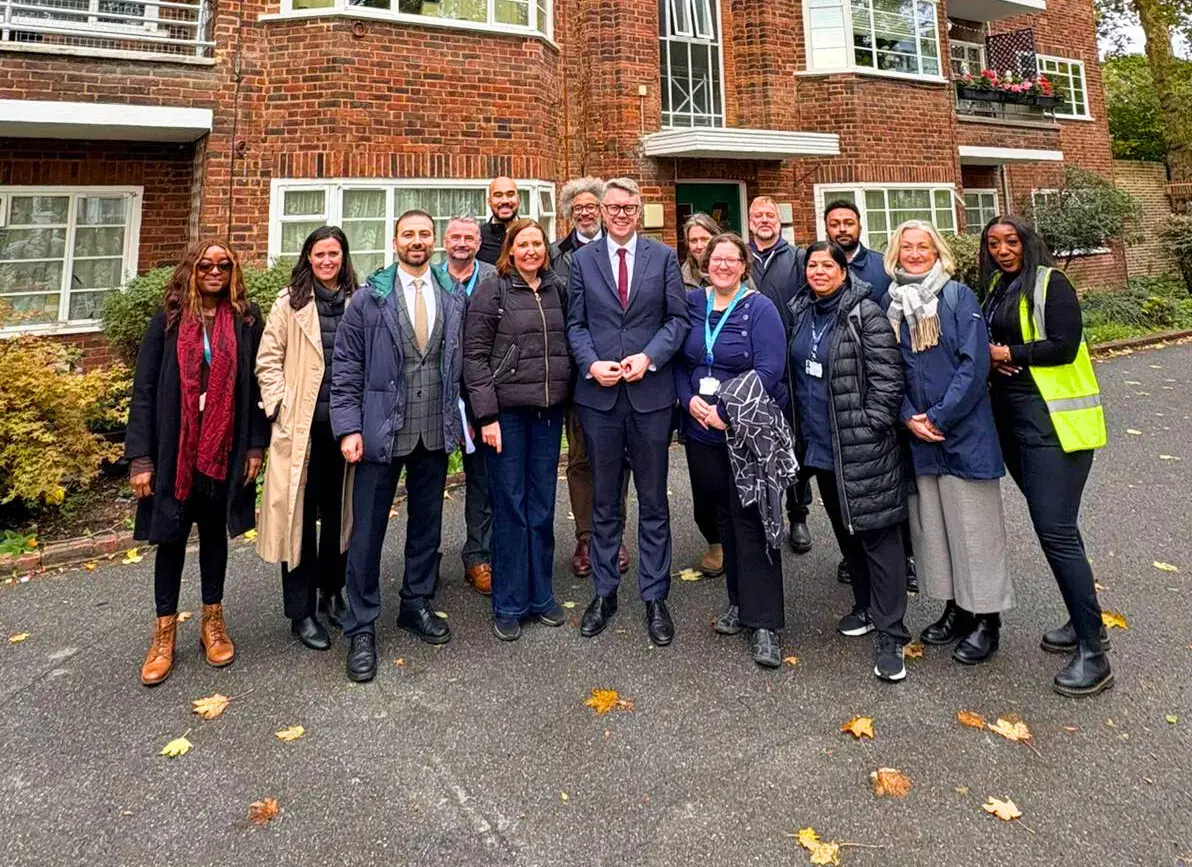
Allume UK team and partners, including Net Zero managers, outside a brick social housing block in London following a successful SolShare installation to improve EPC ratings and tenant energy resilience.
Tania Jennings
Net Zero Climate Manager
Lewisham Council

Going beyond rebates

We've been using the word "rebates" a lot, but government programs that help pay for rooftop solar, batteries, and other energy efficiency projects go beyond just rebates. 

Here's some help in understanding the types of programs. 

Rebate
A partial refund of money spent that reduces the cost of an eligible product or installation. 
Discount
A reduction applied to the purchase price, so you pay less up front.
Grant

A lump sum of money that you can spend on your project that does not have to be repaid. 

Financing
A loan backed by the government that is usually either interest-free or low-interest. 

Find out if your blocks suit FlatSave

Tell us about your housing stock and we’ll book your assessment.

What happens next

1) A UK specialist talks through your blocks with you.

2) We estimate resident savings, SAP uplift and funding routes for each block.

3) A certified SolShare installation partner installs the system.

Frequently asked questions

Find quick answers about FlatSave.
Who can get FlatSave?
Housing associations, councils and social landlords, for whole blocks of 6 or more flats. Each SolShare unit serves up to 15 flats, and larger blocks use several units on the same system.

Do residents need to switch to E.ON Next?
No. FlatSave works behind the meter, so residents keep their existing supplier and tariff and still get the solar savings. Residents who opt in to flexibility payments can receive up to £160 a year with E.ON Next, or up to £80 a year with another supplier.
How much can residents save with FlatSave?
We estimate residents can cut their electricity bills by roughly 30–60% with solar and battery. This is modelled from 12 months of metered data at a 24-flat SolShare and battery site in Cardiff. Savings vary by building, system size, tariff and how much energy each household uses.
How do flexibility payments work?

The communal battery charges from the grid when electricity is cheapest and releases power when demand peaks, which helps balance the local network. E.ON Next pays residents who opt in for this flexibility each year.

What’s the difference between SolShare and FlatSave?

SolShare is Allume’s technology for sharing one rooftop solar & battery system between flats. FlatSave adds E.ON Next’s grid flexibility, so residents can also be paid for the energy their building stores. Learn how SolShare works ›

How disruptive is the installation for residents?

Very little. The work centres on the roof and the building's meter area. At Harper Court, residents described the installation as straightforward and non-disruptive.

What funding is available?

SolShare is accepted under the Warm Homes Plan. In Wales it's used through the Optimised Retrofit Programme, and in Scotland through the Social Housing Net Zero Heat Fund. 

What funding is available for SolShare?

SolShare qualifies for major UK grants, including the Warm Homes Plan in England, Optimised RetroFit Programme (ORP) in Wales and Social Housing Net Zero Heat Fund in Scotland and the Local Power Plan. 

Contact us for guidance on securing solar funding.

Is there a monitoring portal with SolShare?
Yes. The SolCentre monitoring portal provides energy and bill savings data from site to flat level. This transparency is often a requirement for Warm Homes and other social housing initiatives. These metrics shows measurable impact for Government reporting, without manual admin.