

 UK
UK
 AU
AU
 US
US

The scorching weather over the past week served as a potent reminder that our climate is shifting rapidly, but it also highlights the massive potential of renewable energy to help cushion the blow. While the heatwave saw the UK break its May and spring temperature records two days in a row, the intense sunshine propelled the nation into historic green energy milestones.
According to data from The National Energy System Operator (NESO), unusually clear skies pushed solar power to meet nearly half of the UK's total electricity demand at its Sunday peak.
This surge meant Britain’s electricity system broke its zero-carbon record as gas generation plummeted to an all-time low, with solar reaching an unprecedented high. Amidst this clean energy boom, government figures confirmed the country has officially crossed 2 million total solar installations, driven by rooftop installations.
The clean energy gap in British housing
While these recordsare major achievements for the grid, they hide a deeper social challenge. Celebrating the overall generation obscures the reality of who actually gets to participate in this green revolution.
Writing for The Guardian, climate scientist Bill McGuire issued a warning about the state of our built environment, detailing how the vast majority of UK homes are dangerously unprepared for extreme heat, lacking the necessary insulation and cooling infrastructure. Without urgent remediation, McGuire warns of a looming housing humanitarian crisis by 2052, where overheating homes pose direct threats to human health.
Worse still, the current rooftop solar boom is largely restricted to owner-occupiers of standalone, single-family homes. Millions of flat residents, renters and social housing tenants remain locked out of the transition due to architectural and regulatory barriers.
As Cameron Knox, CEO of Allume Energy, notes:
"Whilst exciting, the green energy records will ring hollow if the whole of society isn't benefitting from the transition to net-zero. For example, social housing tenants are often the most exposed to the climate crisis, yet they still have limited access to rooftop solar despite bearing the brunt of the impact of weather extremes and price volatility."
Low-income households and those living in multi-family blocks are frequently hit hardest by volatile fossil fuel prices and summer heatwaves, yet they have historically had the fewest tools to protect themselves.
SolShare: overcoming the multi-family barrier
To build a resilient and fair future, the green transition cannot just be a perk for individual homeowners. This is where Allume Energy’s technology steps in to bridge the gap.
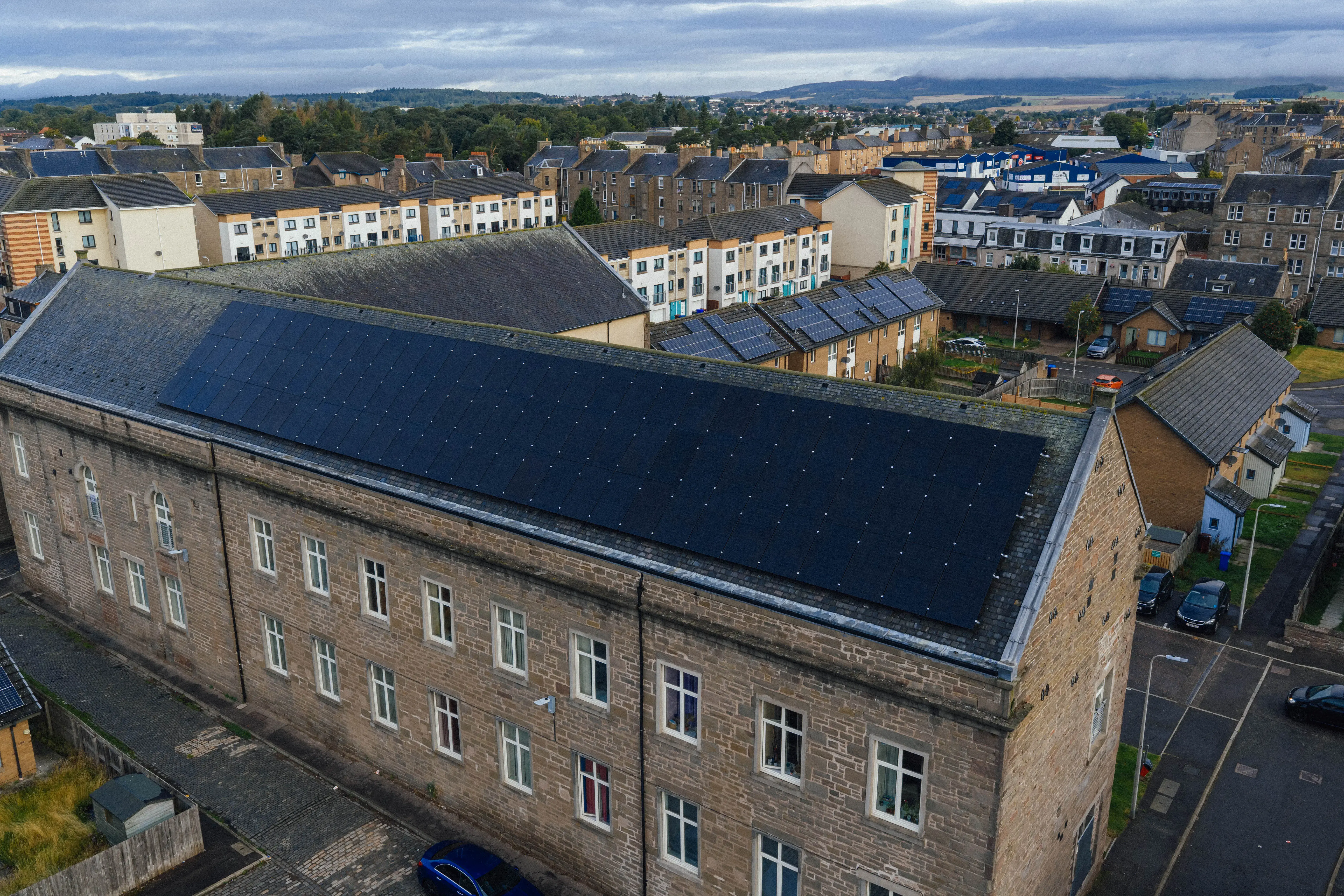
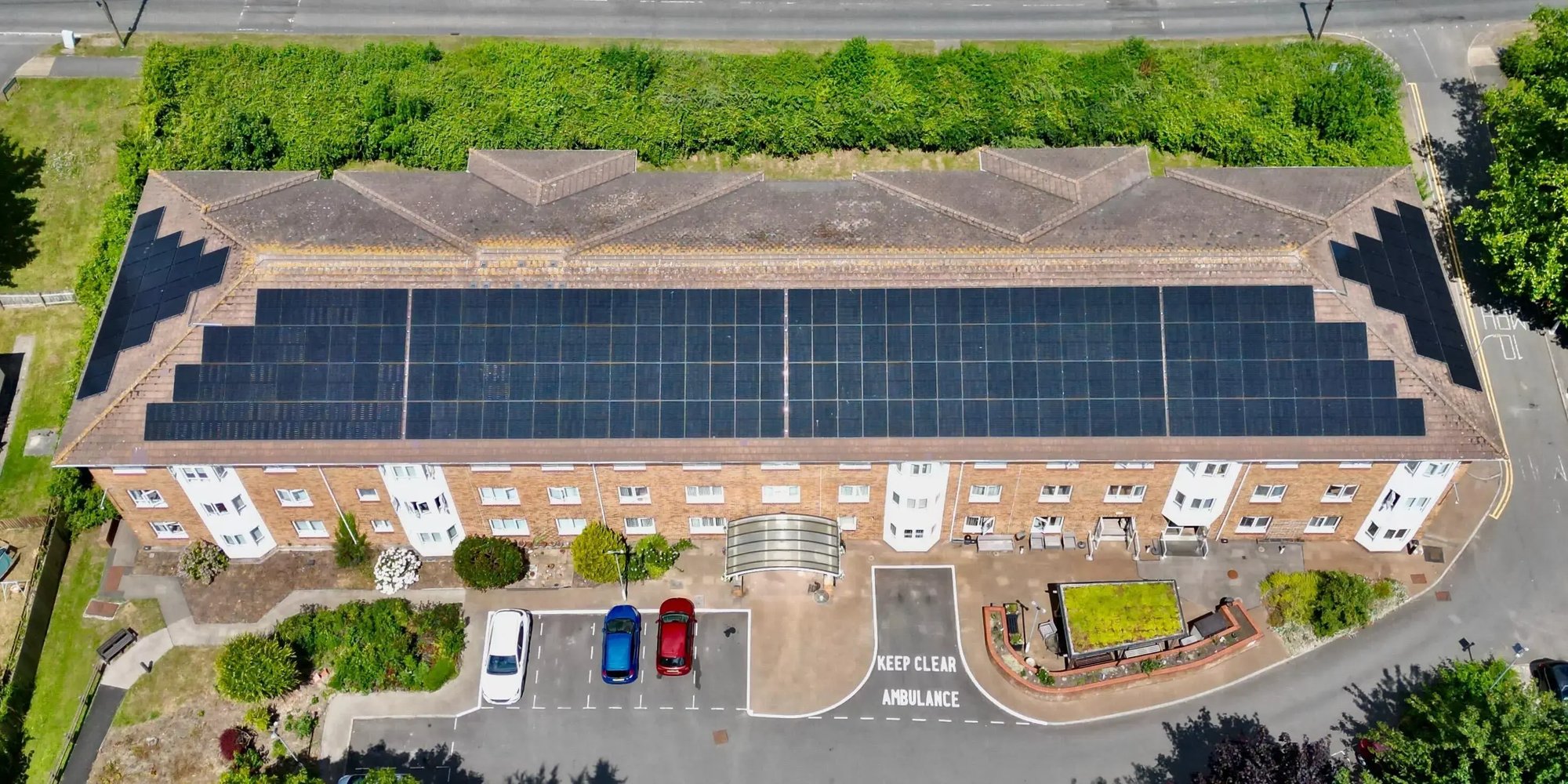
Delivering the benefits of solar to over 10,000 apartments, SolShare is the world’s first technology that allows a single rooftop solar array to be shared by multiple apartments within the same building.
Up until now, connecting flats to solar meant installing entirely separate, costly systems with individual inverters for every single household, resulting in a logistical nightmare that wasted roof space and capital.
SolShare completely breaks down the barriers flats face for solar by dynamically distributing power where it is needed most, in real-time.
Classic solar vs. Allume’s SolShare
We have compared SolShare against traditional solar solutions to understand how it opens up access for apartments:
|
Feature |
Traditional PV system |
Shared solar system with SolShare technology |
|
Best suited for |
Standalone, single-family homes. |
Multi-family flats and social housing blocks. |
|
Setup & space |
Needs separate panels and inverters per flat; uses too much roof space. |
One single solar array and inverter shared multiple flats. |
|
Energy waste |
High. Wasted or sent to the grid cheaply if a tenant isn't home. |
Low waste. Power is dynamically sent in real-time to whichever flat needs it most. |
|
Tenant savings |
Provides standard bill savings, but the financial benefit is uneven and depends heavily on each flat's panel location and roof orientation. |
Cuts electricity bills by up to 40% for all households. It yields 10–15% higher solar utilisation than individual systems, ensuring fairer and greater savings. |
Using solar power to meet nearly half of the UK’s electricity demand highlights just how significant its potential is as a scalable, low-carbon energy source.
However, the transition will remain incomplete until our most vulnerable communities benefit too, and are shielded from price shocks and extreme weather.
By deploying innovative technology like SolShare, social housing providers, local councils and private landlords have an opportunity to turn climate challenges into a solution which is both green and inclusive.
Are you a social housing provider or landlord looking to lower tenant bills, meet sustainability targets, and future-proof your properties? Connect with the Allume UK team today to bring shared solar to your buildings.