

 AU
 UK
 US



If you live in an apartment, it's now possible to access affordable solar energy and reap the benefits of renewable energy too. New technology that connects multiple apartments to a single rooftop solar system has opened up options that weren't available before.
That's just one of the options we'll discuss in this article when it comes to solar panels for apartments. Whether you're a developer, building manager, landlord or tenant, it pays to understand what's available.
|
Option |
Who benefits |
Best suited to |
|---|---|---|
|
Common areas only |
Owners as a group, through lower common-area costs |
Very limited roof space, high-rise buildings or high common-area use |
|
Individual systems |
Only the apartments that install a system |
Small, single-level blocks of roughly 5–8 units |
|
SolShare |
Every participating apartment, directly on their own bill |
Most multi-unit and multi-level buildings |
Option 1: Solar for common areas only
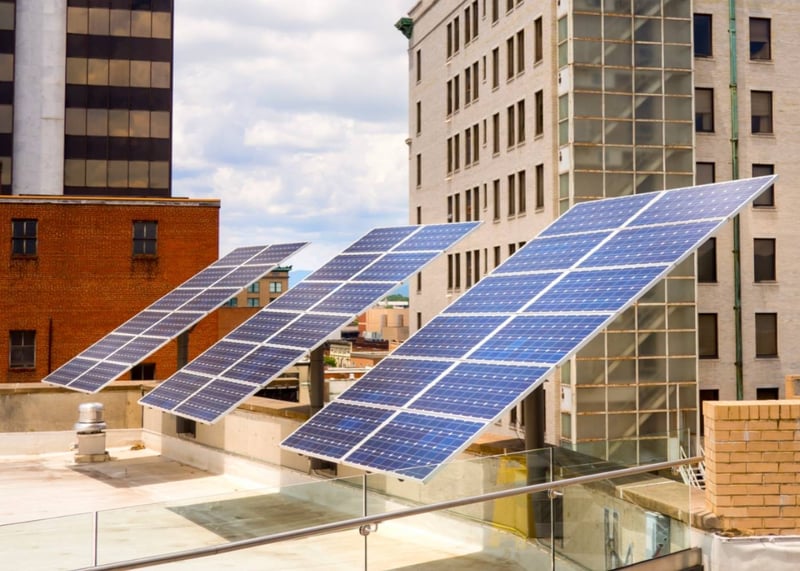
When you install apartment solar panels on a shared rooftop area, energy generated can be used to power lighting and any other electrical systems like air conditioning. These can be used in common areas such as gyms, recreational settings, lobbies and foyers, and shared pathways.
This option is preferable if there's extremely limited roof space or several shared areas that use more energy. It's likely to be the only option in high-rise buildings. It's a simple solution, as only one meter and electricity account is linked to the system. The cost is then shared across the apartment owners through the owners' corporation or strata corporation.
What's the downside of solar for common areas only?
There will be no direct benefits to the owner-occupiers and renters in the building, as the rooftop solar won't be connected to their apartments.
Option 2: Individual solar systems
When there are only a couple of residents interested in having solar, individual systems could be an option – but realistically only in small, single-level blocks of roughly 5–8 units, where there's enough roof space to fit each apartment's panels. The individual solar installations are placed on the roof and separately connected to the electricity meters for individual units.
Will I need permission to install my apartment solar system?
Yes. If you own the apartment, you'll need the approval of the owners' corporation or strata corporation to install the system. This will require a motion to be passed at a meeting, which may raise questions about why common roof space is being reserved for solar that won't benefit all the apartments.
What if I'm renting? Are apartment solar panels still an option?
If you're a tenant, you'll need to speak with your landlord or agent to get permission to install solar panels, and in turn, they'll most likely need approval from the owners' corporation. You'll also need to pay for them, or persuade your landlord to pay for them, which may be a challenge.
What's the downside to individual systems?
It can be costly to install an individual system, and there could be tension in the owners' committee over available roof space and who it belongs to. Limited roof space also means each system is usually undersized – based on our estimates, that typically limits bill savings to under 20%. It's with these downsides in mind that we created our SolShare technology.
Option 3: Share one system with SolShare
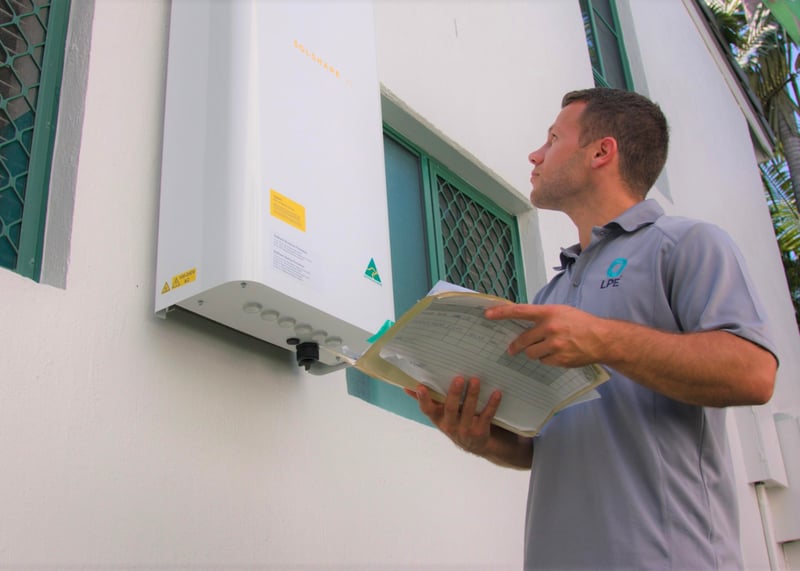
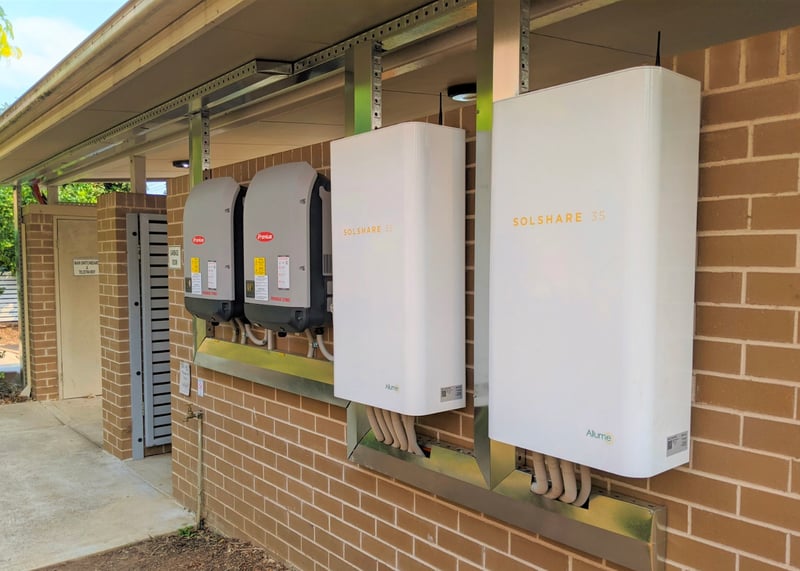
With this option, a single rooftop solar installation is shared between multiple neighbours in the same apartment building. Our world-first technology, SolShare, is what makes this possible.
SolShare makes sure everyone gets their fair share of the solar across each month, while supplying it to each apartment when it's needed. Residents can also see how much solar and grid power they're using in their SolCentre dashboard.
Any apartment that's metered can be connected to SolShare. Common areas can also be powered by the same system. Anyone who doesn't want to take part can opt out.
How is the solar shared fairly?
Throughout each month, SolShare monitors and logs how much solar is delivered to and used by each apartment, and balances it so everyone gets their fair share. This means that even if your neighbour uses a lot of solar, you'll still receive your share of the benefit over the month.
What are the benefits of SolShare?
- Lower your electricity bills.
- Reduce your carbon emissions.
- Keep the freedom to choose or change your electricity retailer (unless your building runs as an embedded network).
- Run your air conditioning on hot, sunny days using solar.
Which solar power option is right for you?
Advancements in solar technology have made it possible for apartment buildings to benefit from solar power too. The right option depends on your building's roof space, its size and who you want the solar to benefit.
Because the roof is usually common property, solar is a decision for the owners' corporation – our state-by-state guide to getting your strata to vote for solar explains how it works where you live. If you're not sure where to start, see can you put solar panels on an apartment in Australia? For costs, our guide to calculating the cost of shared solar for apartments and our shared solar cost calculator give you a rough idea, and our complete guide to solar for apartments walks through the full journey.
Can SolShare work for your apartment building?
Our world-first technology, SolShare, makes solar possible for apartment buildings. Whether you're a developer, building manager, landlord or tenant, there are many benefits to tapping into solar energy.
To find out whether SolShare can work for your building, get a free feasibility assessment. It estimates the system size, cost, available grants and roughly how much each apartment could save.