
 AU
AU
 UK
UK
 US
US


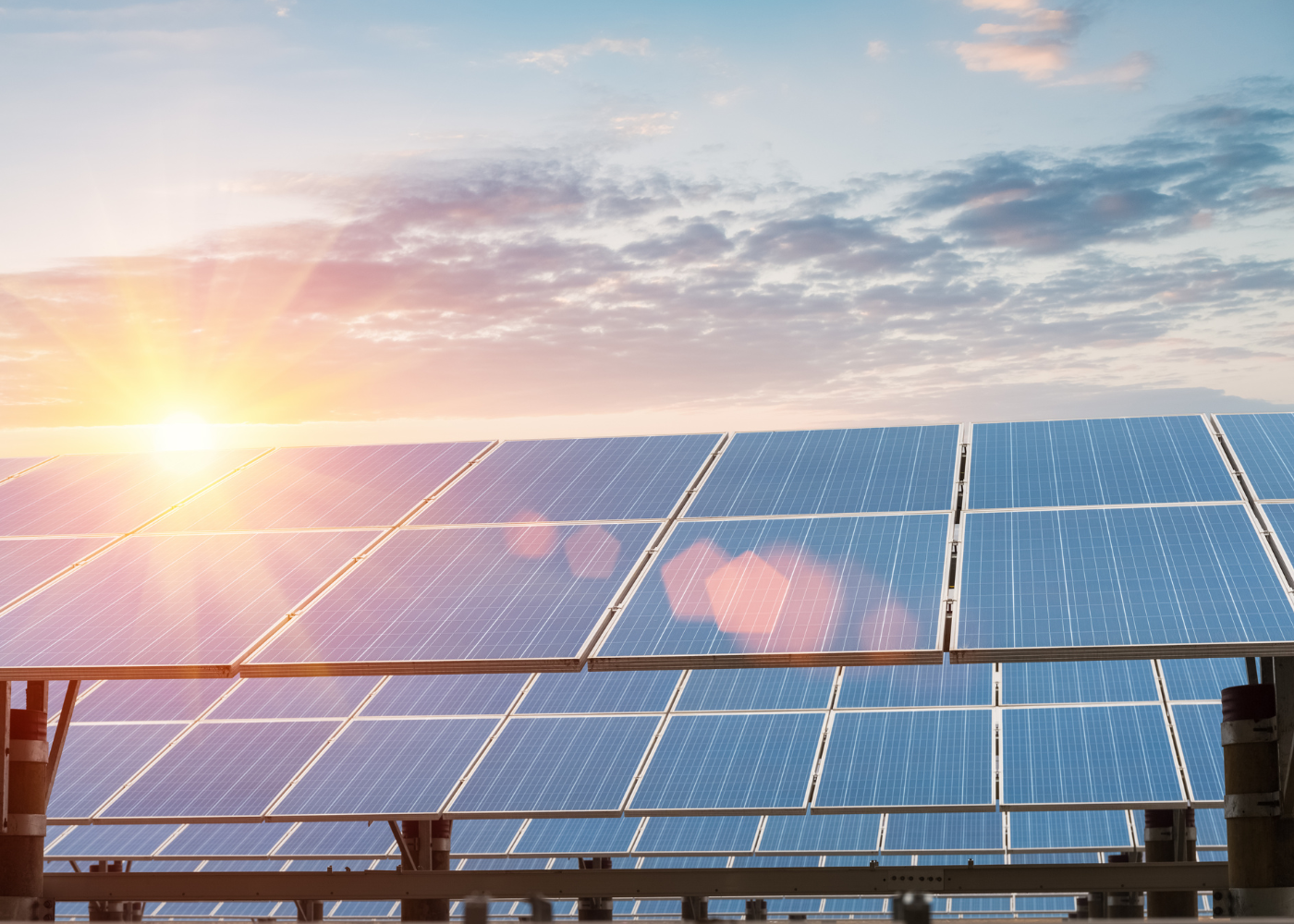
With soaring energy prices and widespread environmental impacts as a result of harmful carbon emissions, many people and corporations are exploring the power and benefits of renewable energy sources. In particular, solar energy and rooftop solar.
Solar energy is one of the leading renewable power sources. It’s a driving force in supporting energy independence and sustainability and is being embraced worldwide.
According to the International Energy Agency (IEA), renewable energy installations exceeded previous records in 2021, with an additional 8% increase tipped for 2022. Of this uptick, solar is likely to account for 60% of this increase in worldwide renewable energy.
In this article, we are getting back to basics to provide a roundup of common solar questions, plus some helpful insights, including:
- What Is Solar Energy?
- How Does Solar Power Work?
- What Happens To Any Solar Power That Isn’t Used?
- Which Direction Should Solar Panels Face?
- Are There Any Government Rebates for Solar?
- 10 Benefits of Solar Energy
- How Much Money Can You Save With Solar?
- Can You Share Rooftop Solar Energy?
What is solar energy?
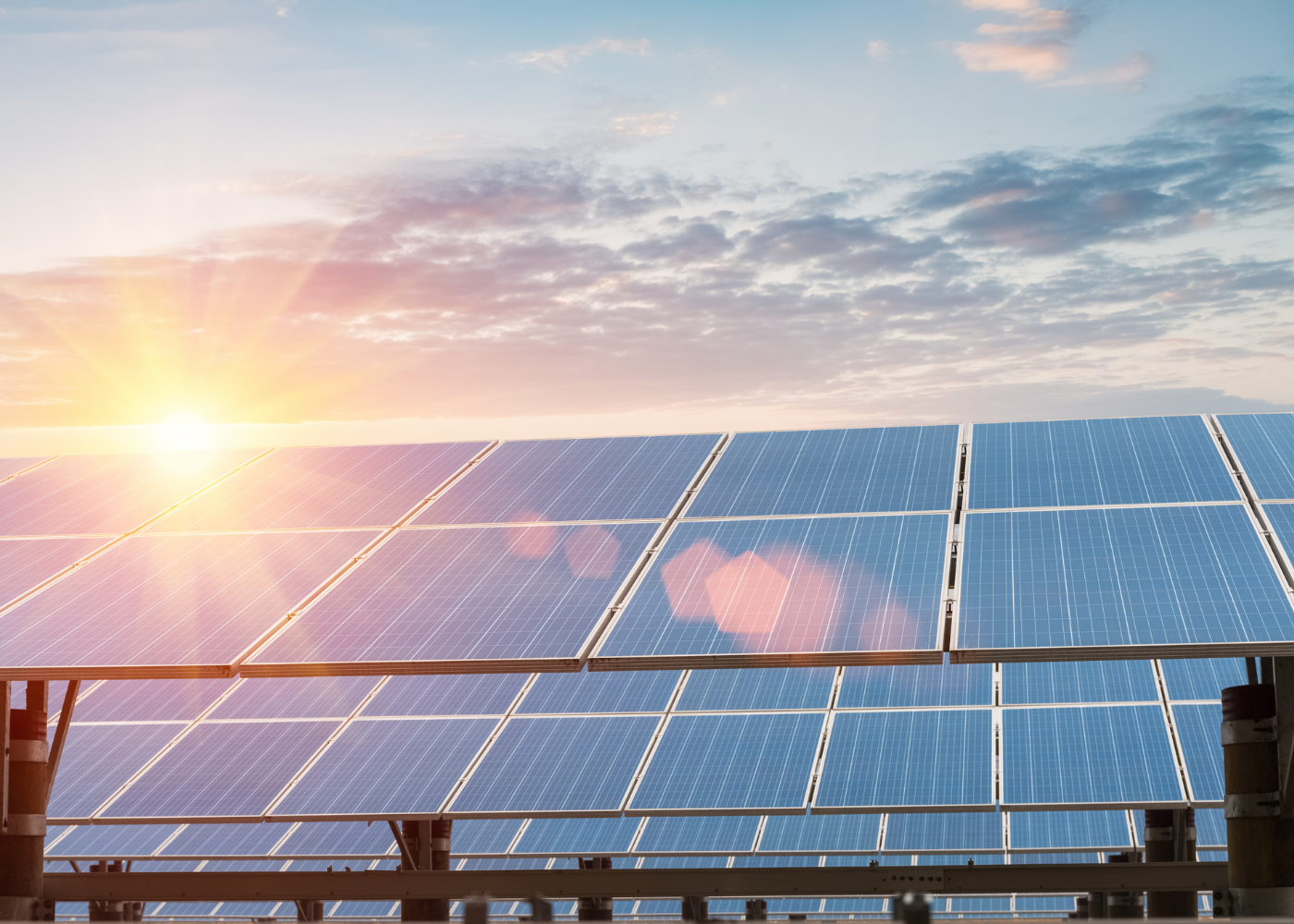
Electricity and heat are two forms of energy generated by the sun. We can use both in many different ways, with solar energy being, quite literally, the sun's energy.
How does solar power work?
When the sun shines onto a solar panel, the cells in the panel are activated and convert the sunlight into what is called direct current, or DC, electricity. Within the panel is a solar inverter, which converts this electricity into alternating current (AC) power. This power can be used to run your appliances instead of using power from the grid.
What happens to any solar power that isn’t used?
When there is a surplus of energy created and not used by appliances in the home, in most countries, the excess is sent back to ‘the grid’. If you select for extra energy to be directed to the grid, in most instances you can receive a payment, known as a ‘feed-in tariff’. This is can vary from location to location and something that is worth checking with your energy provider.
Alternatively, the excess solar energy can also be directed to charge a solar battery for future use.
Which direction should solar panels face?
If you’re in the Northern Hemisphere, you will ideally want your solar panels to face south.
If you’re in the Southern Hemisphere, you will ideally want your solar panels to face north.
Whilst this is ideal, it’s not a deal-breaker if they aren’t. If the panels can’t face these ways in your location, you need to make sure they aren’t in the line of shade throughout the day from surrounding large trees or any other obstructions.
Positioning is important to get the most out of your solar panel installation. The orientation of the roof, the pitch (the slope or angle of it) and available space for panels will all impact the panel positioning. What the tiles are made of can also make a difference.
Are there any government rebates for solar?
Thankfully, many countries are supporting investment in renewable energy technology for both individuals and corporations.
It is certainly worth contacting your local council or government to find out about any available rebates or incentives to purchase and install solar panels, or other renewable energy products.
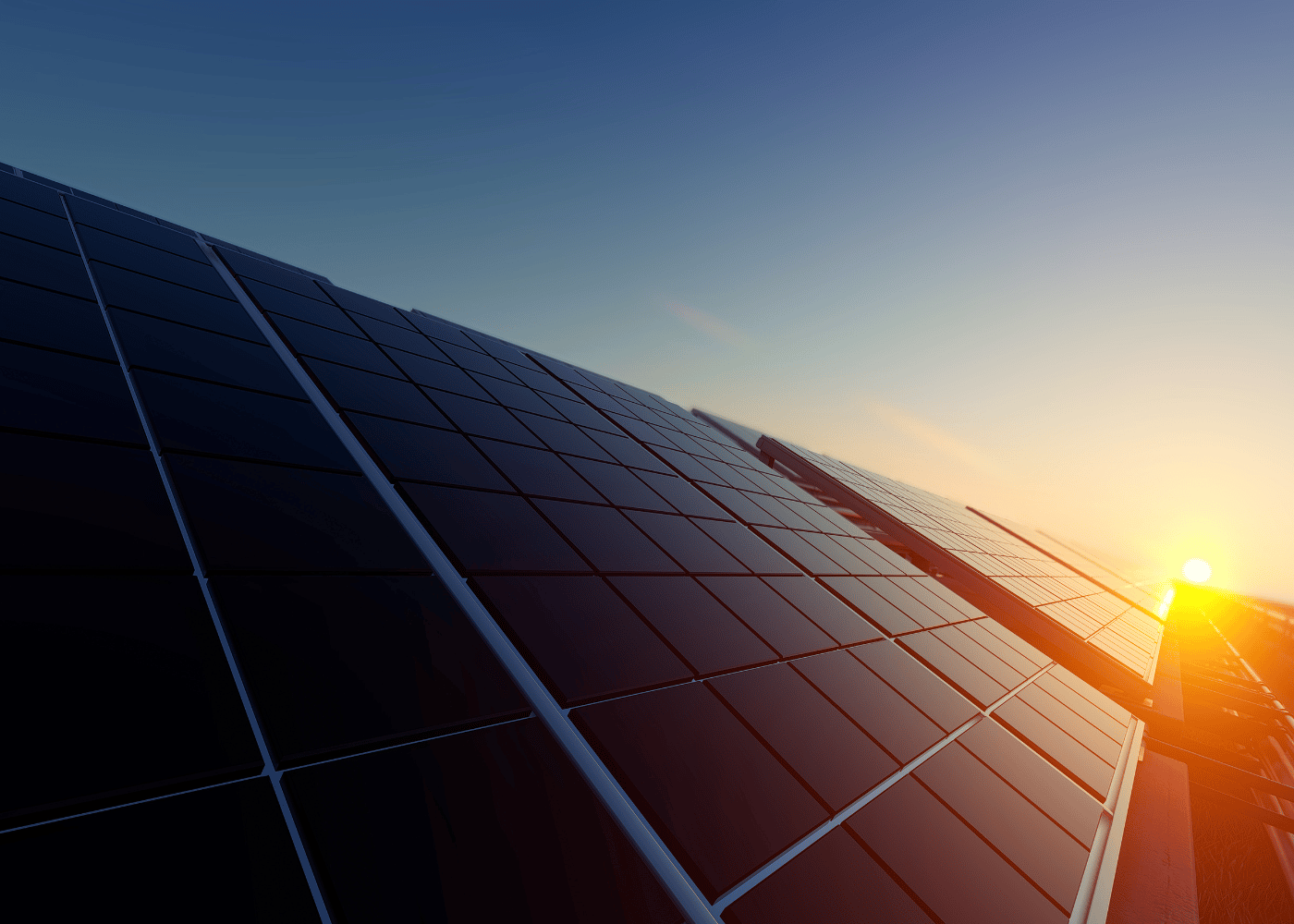
10 benefits of solar energy
Now that we have a better idea of how rooftop solar works, which way solar panels should face and what happens with the excess energy that’s created, let’s look at some of the key benefits to having solar.
#1 – Save money on electricity bills
With soaring energy prices, having rooftop solar will certainly see you saving on your electricity bills, especially if you live somewhere particularly sunny.
You can also integrate a battery for storing up extra energy to use on cloudier days and evenings. This will save you even more.
#2 – Create renewable, clean energy
As long as the sun is shining, you will have ongoing access to your renewable and clean energy source.
#3 – Add value to your home
Whether you pay for them upfront or in instalments, your investment in rooftop solar will appeal to potential home buyers. The fact that solar panels provide environmental benefits and cost savings are two selling points that will certainly add appeal and profit to your sale price.
In countries like the UK, solar panels also help to improve your EPC rating (Energy Performance Certificate) which can add value.
#4 – Low maintenance
Generally, rooftop solar doesn’t need a lot of TLC. While it is said that the panels don’t need to be cleaned, it is not a bad idea to maintain them so they are performing at their peak. Blockers like leaves, dust and water can impact performance, so get a professional in if you don’t fancy getting up on the roof to do it yourself!
One study revealed that dust accumulation impacted efficiency by 60%, so it is worth maintaining your investment. The only additional cost after the initial investment could be the replacement of the inverter, but that’s after 10-15 years.
#5 – Reduce carbon emissions
Your rooftop solar can cut down on greenhouse gas emissions by hundreds of tonnes. The reduction amount will largely depend upon your location and how much power your panels can generate, but you will certainly be reducing the impact of harmful emissions by making the investment.
#6 – Make money from surplus solar
As mentioned earlier, in most countries, any energy you don’t use can be exported back to the electricity grid. Your electricity retailer will likely pay you a feed-in tariff for each kilowatt-hour (kWh) of unused energy you export. Check with your retailer to discover the feed-in tariff rate they offer.
#7 – Quick return on investment
Depending on where you live and how much sunshine hits your rooftop solar, you could see payback on your investment within five years. The cost will be offset by savings on your energy bills.
#8 – Decent product lifetime
If you do your homework and invest in quality panels, they should last you for more than 25 years. Pro tip: check the product warranty. The longer the coverage, the higher the likelihood that you’re looking at a quality product.
#9 – Access energy at night
By pairing your panels with a battery, you can access solar power at any time, day or night. That means a particularly sunny week or two can actually give you nice, clean, renewable energy well after the sun is down.
#10 – Energy independence
Another reason to invest in a battery alongside your rooftop solar is to achieve energy independence. Stored power drastically reduces your reliance on the main electricity grid, so you can have enough energy for your personal use, even during power outages.
How much money can you save with solar?
While there is an upfront investment required to install solar panels on your rooftop, you will see cost savings almost immediately through reduced energy bills.
It is difficult to define the exact amount you will save. It depends on how many panels you have and where you are located in the world. The amount of sunshine you get impacts the energy produced.
On average, a 5kW system, which is generally enough to power an average home, could save you up to $2000 a year in a typically sunny location.
It does pay to research your region to get accurate reports.
Can you share rooftop solar energy?
All of these great benefits of having rooftop solar have, until recently, been limited to freestanding homes. However, technological developments have enabled solar energy sharing in some instances via wireless power transfer (WPT). There’s also the option to return unused solar power to the grid, which technically means sharing the energy, too.
That being said, the big game-changing invention enabling shared rooftop solar energy is SolShare. This award-winning technology is a single rooftop solar system that can be shared by anyone residing in an apartment building, flats or social housing.
Apartment solar panels are a new addition to the game, and this tech is the first of its kind. SolShare empowers residents of multi-residential blocks to access benefits previously available only to free-standing homeowners.
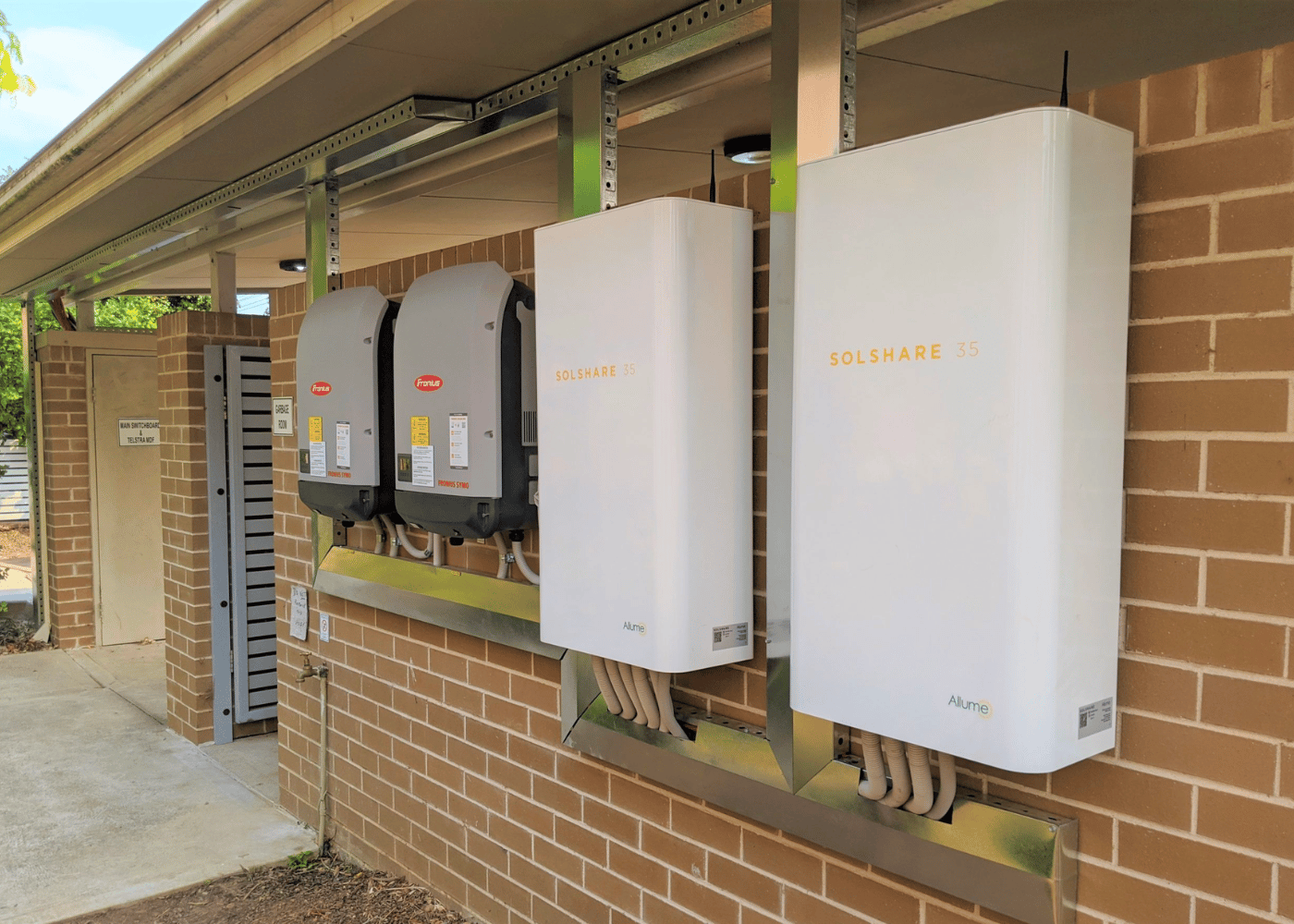
SolShare takes up limited rooftop space as a single system and has an algorithm that responds to each resident’s use. They receive solar energy as it’s required, which maximises both consumption and cost savings.
Developers, building strata and body corporates, are embracing the new tech. It’s flexible in delivery with options for pay-as-you-use (per unit in multi-dwelling buildings) to owning the system outright and receiving the energy for free.
Each year, a typical SolShare will reduce CO2 emissions by 28 tonnes and cut grid electricity use by 35-40%. To learn more about this award-winning renewable energy technology, contact the team at Allume.