

 AU
AU
 UK
UK
 US
US


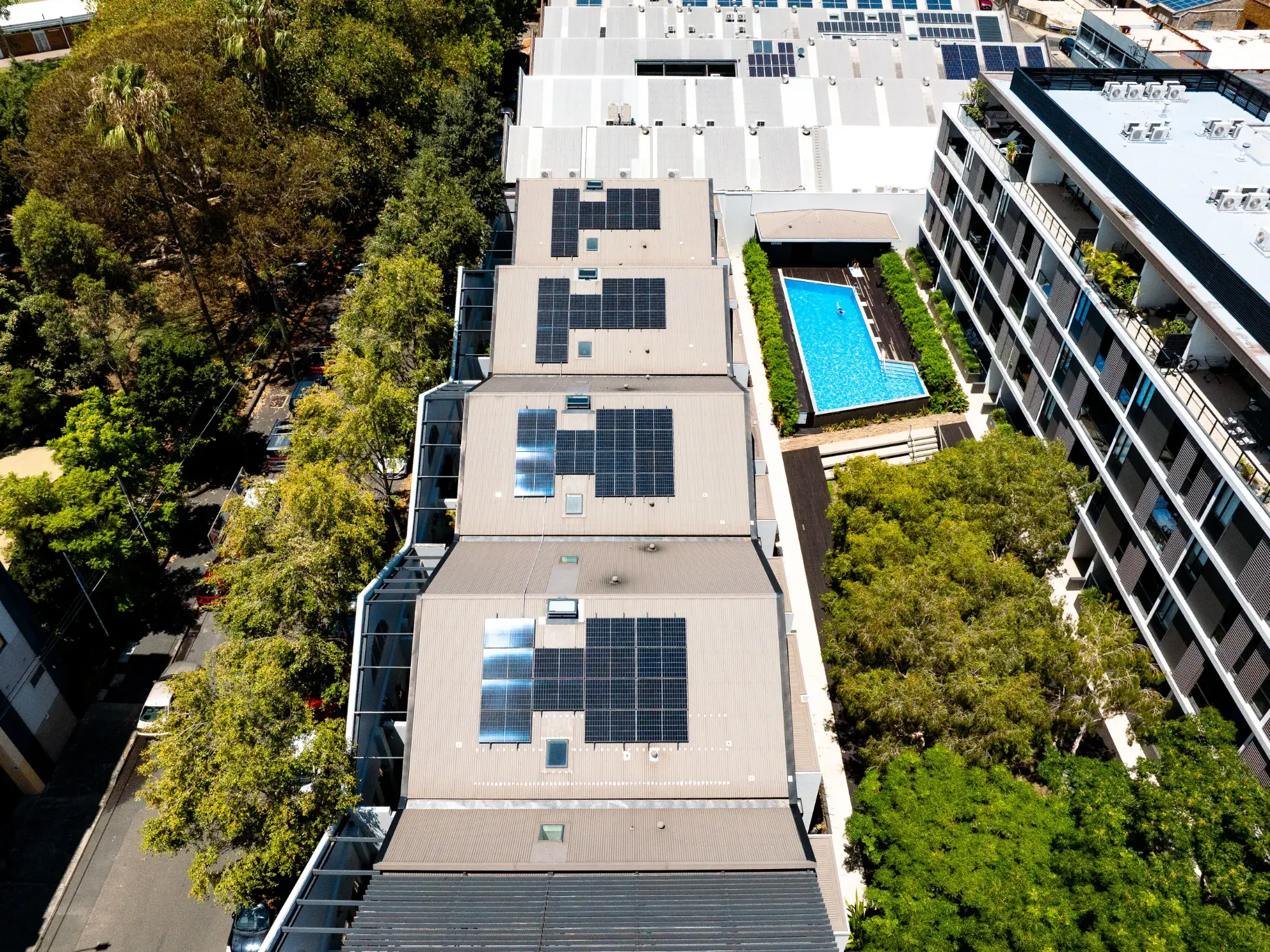
If you're a homeowner or apartment resident in NSW, you may have seen retailers promoting something called the Solar Sharer Offer — three free hours of electricity in the middle of the day. It sounds like a great deal, whichever type of home you live in. But if you're weighing it up against getting solar installed on your own roof or apartment building, it's worth looking at what's really on offer before you get excited.
What is the Solar Sharer Offer?
The Solar Sharer Offer gives NSW residents three free hours of energy between 11am and 2pm. To access it, you need to opt in with your retailer, and different rates apply outside that window.
Why the government introduced it
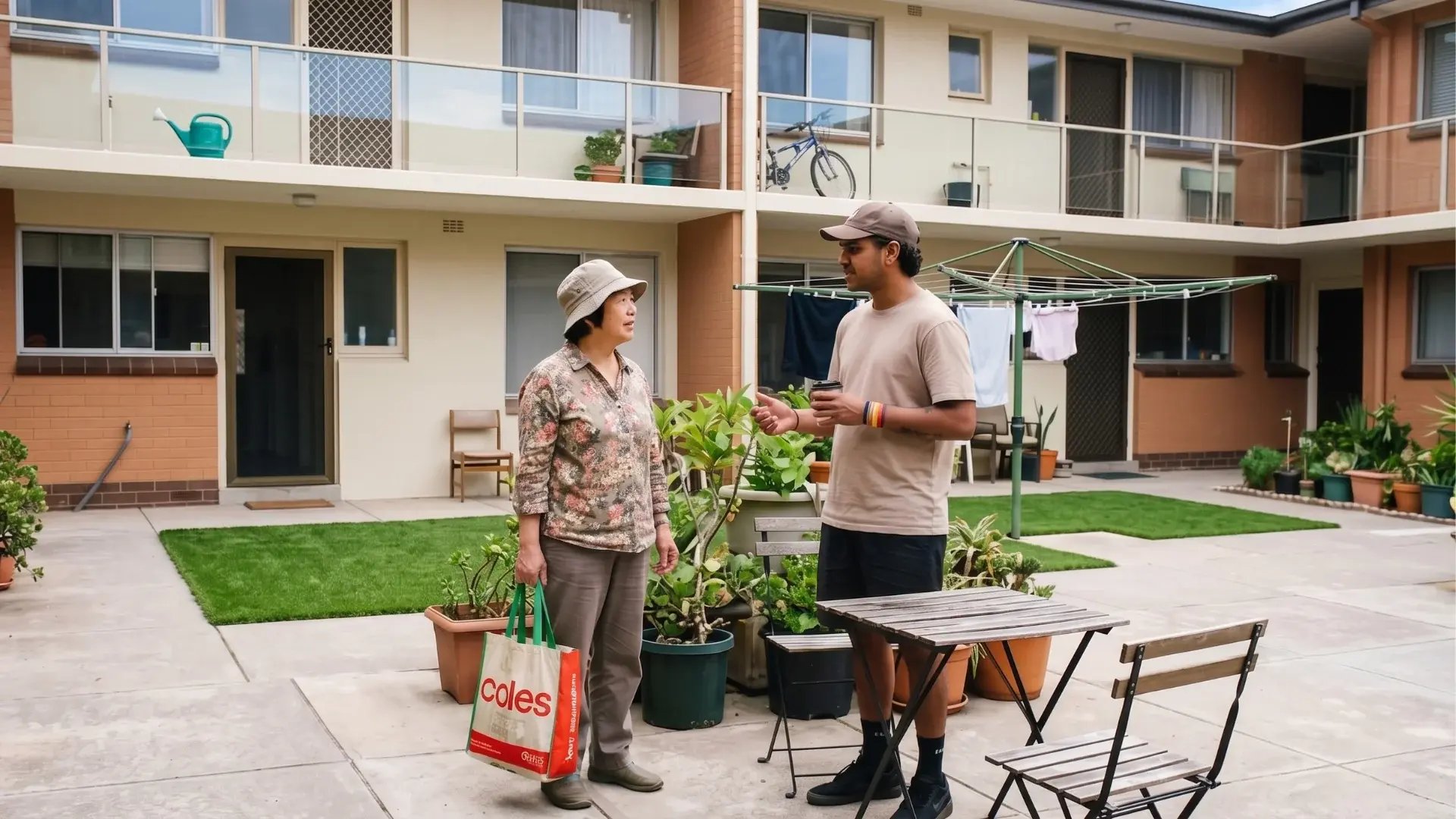
The scheme exists to encourage people to shift their energy use to the middle of the day, when rooftop and grid-scale solar is flooding the grid. Using more power at that time helps smooth out wholesale price spikes and takes some pressure off the grid.
It's a sensible piece of policy, and worth opting into if your retailer offers it at no downside. But a policy designed to help the grid isn't necessarily designed to save you money — and that's the part worth understanding before you assume it's a substitute for having your own solar.
"So free power means lower bills, right?"
Not necessarily. Looking at the plans retailers are offering under the Solar Sharer Offer, most residents won't save much — if anything — unless they can shift almost all their daily energy use into that 11am–2pm window.
For most households, that's a tall order. It means being home during those hours every day, or having every high-energy appliance (heating, cooling, the dishwasher, the washing machine, the dryer) running on a timer to hit that three-hour slot.
That's because the peak and shoulder rates on Solar Sharer plans are typically higher than on standard plans. Electricity retailers make their money back somewhere — and in this case, it's the hours either side of your free window.
What the numbers actually show
A comparison of plans from a major NSW retailer makes the point simply: its standard plan comes in 15% below the government's regulated reference price, at around $137 a month. Its Solar Sharer-style free-hours plan comes in roughly equal to that reference price, at around $138 a month — because the free window is paid for with a higher supply charge and higher peak rate the rest of the day. In this example, the two plans land within a dollar of each other.
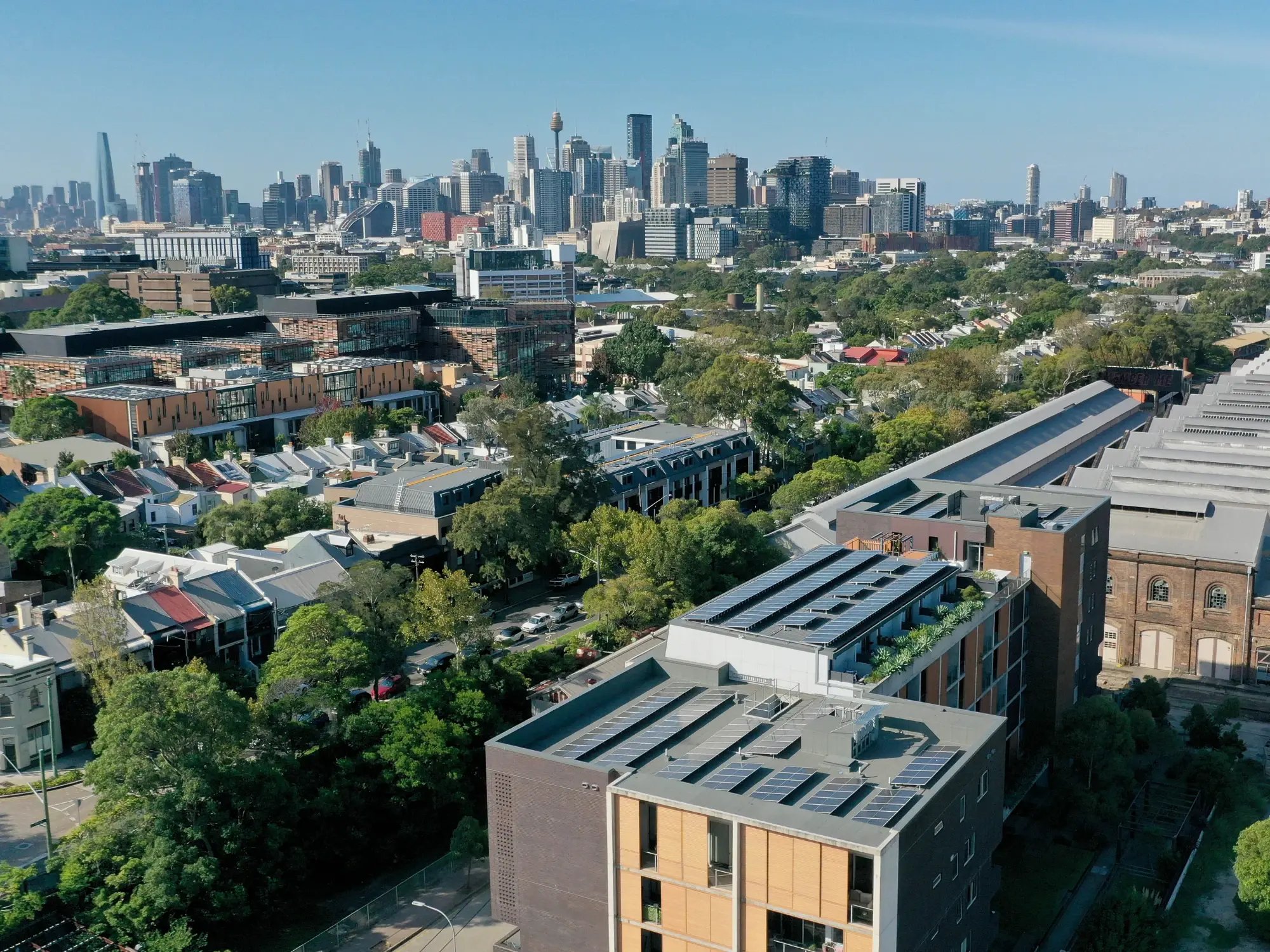
By comparison, data from Allume's SolCentre portal — which monitors solar and grid energy usage across roughly 7,000 apartments connected to SolShare nationally — shows residents saving an average of 34% off their energy bills. Adding a battery can lift that saving by up to 80%.
Put simply, based on this data:
"This system is great. With a shared cost across our small apartment building of 9 units, the returns were obvious and immediate. Our first two summer power bills were 65% and 55% of the previous bills. We will get a battery for the building when that is more cost effective." — Chris Shead, NSW
The real difference: who's generating the power
Here's the thing to hold onto: electricity retailers will keep making money off you regardless of which tariff you choose. Despite handing you free energy in the middle of the day, they're increasing prices — in some cases dramatically — outside those hours to make that back. Unless you use very little energy in the evening and morning, you're unlikely to come out ahead.
Generating your own electricity changes that equation. When you get solar, you're producing your own power for free, and no retailer can claw that back by raising your rates at other times of day. That's a structural difference, not a tariff trick — and it's why solar ownership still comes out well ahead of any free-hours offer.
Getting the real thing, not just the offer
The Solar Sharer Offer is a useful nudge for the grid, and worth opting into if it's free to do so. But it's not a replacement for having your own solar. If you live in an apartment building and have assumed solar isn't an option for you, that's not the case — SolShare shares the energy from a single rooftop system fairly across every apartment, cutting bills and carbon footprint without rewiring behind the meter.
Want to see what real savings could look like for your building? Get in touch with the Allume team for a free feasibility assessment.