

 AU
AU
 UK
UK
 US
US
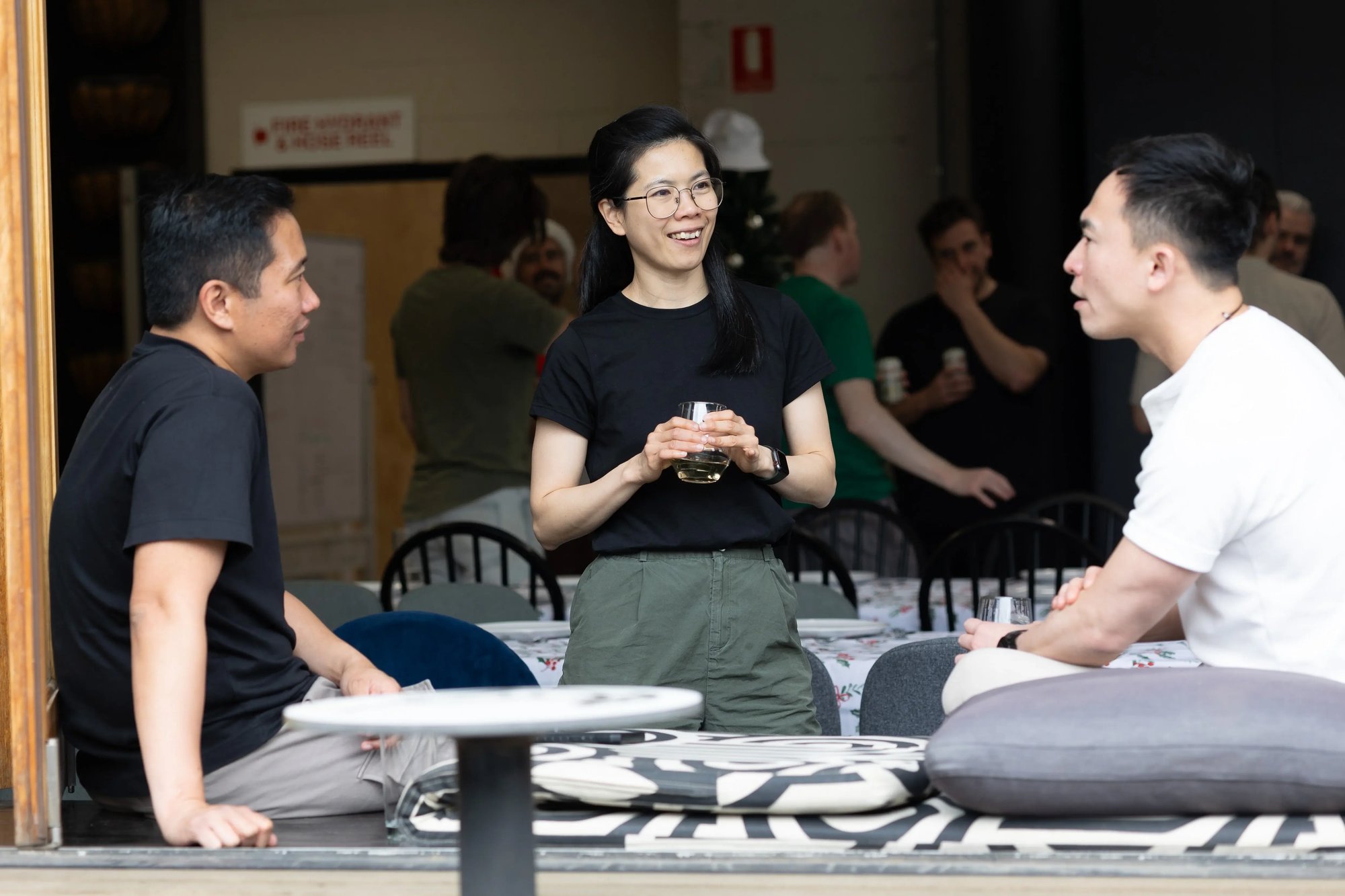



Ed's apartment block in Waverton had good reason to go solar. A council sustainability report found rooftop solar would benefit both owners and residents. The hard part was getting solar panels onto an older roof that all 12 apartments share. The other options the building looked at didn't stack up – until the installer proposed our SolShare technology.
"Without SolShare, the other options did not really look viable for our building." – Ed
Now every apartment shares one rooftop solar system, and residents have cut their electricity bills by 31.8% on average.
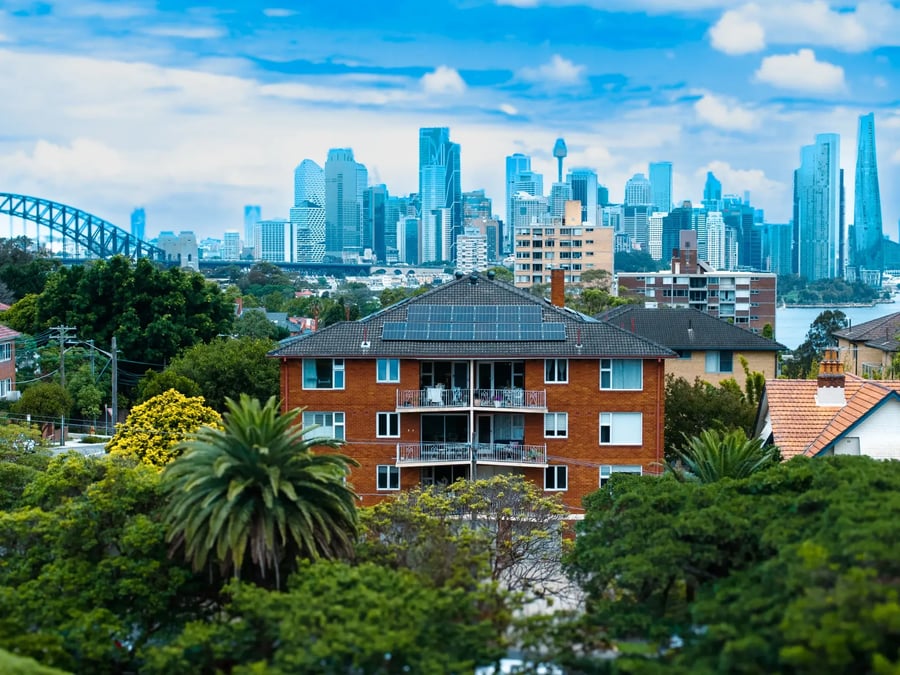
Ed's apartment building in Waverton, NSW
A clear recommendation, but no clear way to deliver it
The building is a typical Sydney red-brick block from the 1960s, with 12 apartments across three floors. Ed, who's lived there for almost seven years, used a North Sydney Council initiative to get a sustainability report done for the building. Solar was one of its key recommendations, both to lower energy bills and to cut the building's emissions.
The roof belongs to everyone, though, and there was no simple way to share one solar system between 12 separate apartments – one of the most common hurdles with solar for apartments.
The piece that made it work
The answer came from Jusaso, one of our Premier SolShare Installation Partners and the installer the building went on to choose. They designed the system around our world-first technology, SolShare, which Ed calls
"a really critical piece of the infrastructure".
SolShare connects one rooftop solar system to every apartment in the building and shares the solar between them, so everyone gets their fair share across the month. Each apartment then draws less power from the grid.
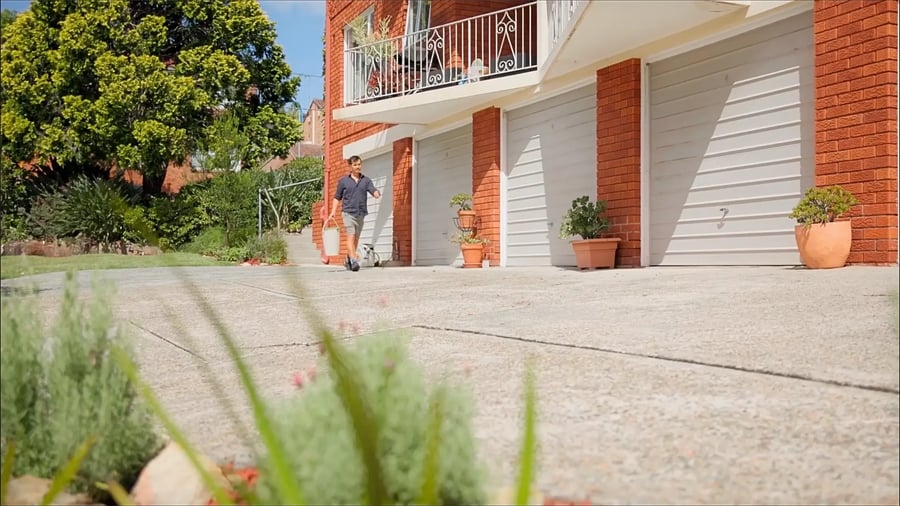
Ed outside his apartment building in Waverton, NSW
Getting owners on board with solar panels on an older roof
Ed raised solar early, at the building's annual general meeting (AGM). Most owners were keen to explore it from the start.
The building then gathered quotes and an engineering report. Some owners had asked whether a 1960s roof could take the weight of the panels, and the report confirmed it could. For the few who still had doubts, Ed laid out what the system would cost, how it would be funded and what they could expect back on their bills.
The building paid for the system with its capital works fund and the NSW Government's Solar for Apartment Residents (SoAR) grant. Ed says the grant
"took away some of the arguments around expenditure" for owners who might otherwise have held back.
What it looks like now
Ed checks the SolCentre dashboard regularly to see how much energy he's using, when he's using it and how much solar goes back to the grid. He now runs his dishwasher and washing machine during the day and charges his devices while the sun's out. Because SolShare gives his apartment its fair share of the rooftop solar, using more power in daylight hours means drawing less from the grid.
Across the building, that adds up to estimated savings of roughly $520 a year per apartment on average. Ed also found our team easy to work with, saying
"they were available anytime that we needed to speak to them".